Source Skate Roller Ice Hockey Shoe for Training, Matches, and Leisure
Source 30 skate roller ice hockey shoe options from Guangdong suppliers. Compare features like integrated frames, waterproof linings, and certified blades for professional matches, training, and leisure use. Evaluate materials such as PU and velvet, wheel sizes, and customization support to find the right fit for your business needs.
Key considerations
Products List
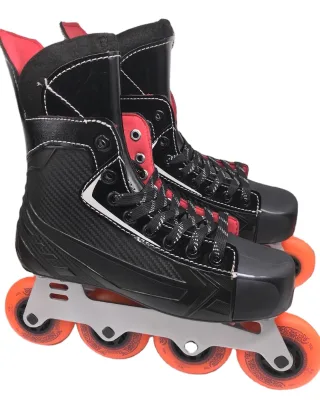
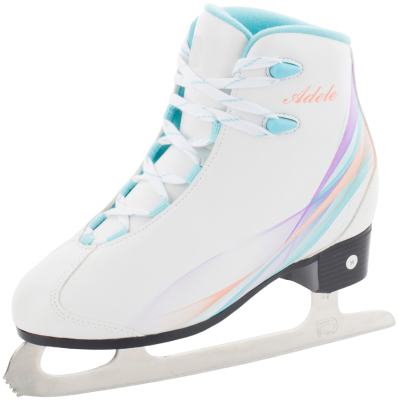
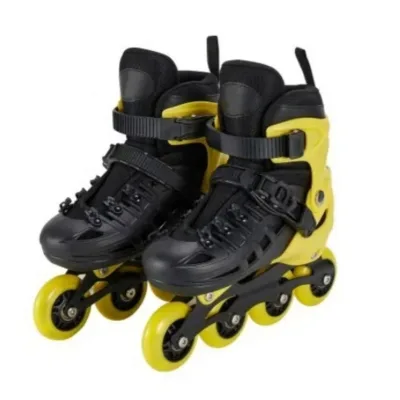
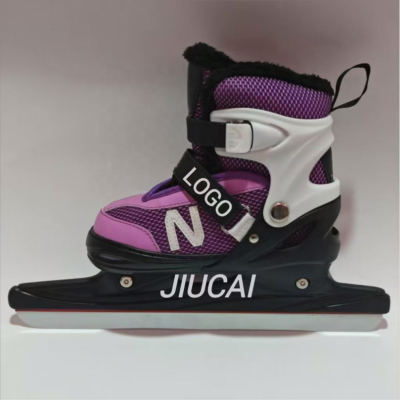
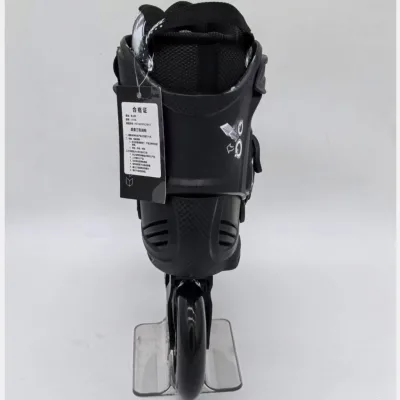
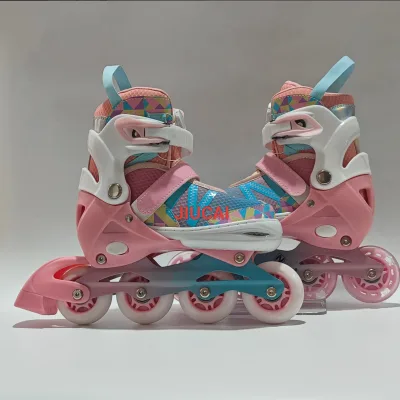
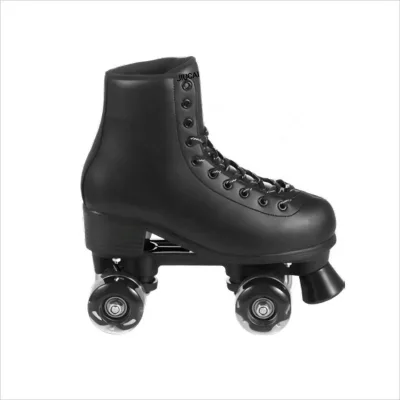
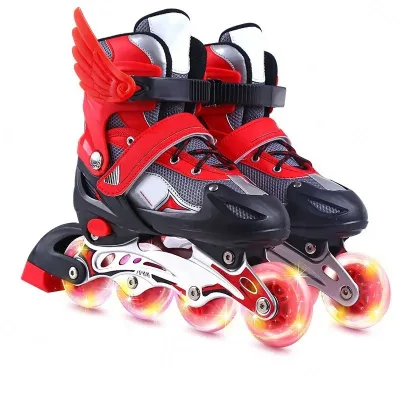
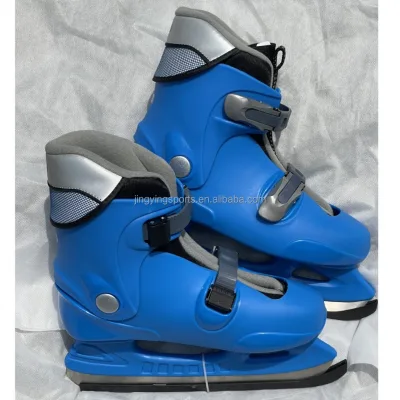
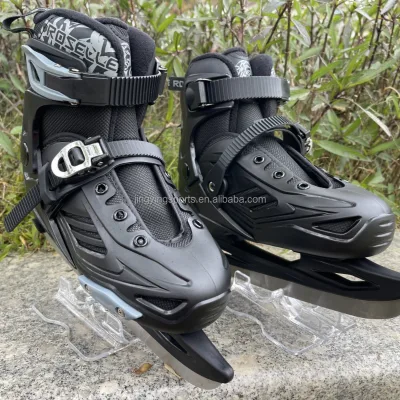
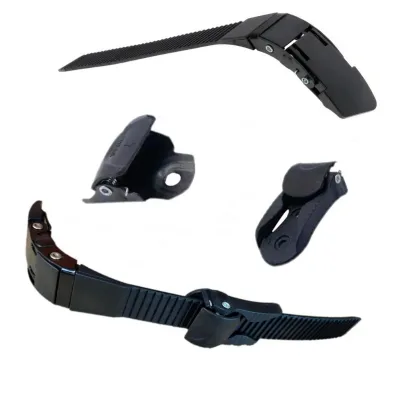
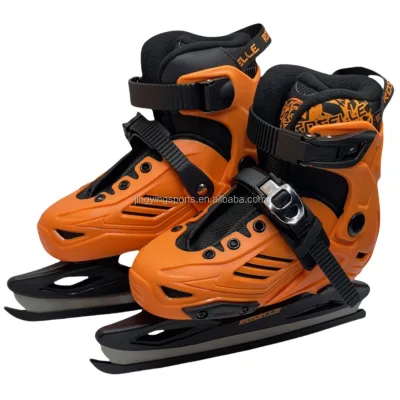


Comprehensive Sourcing Guide
Skate Roller Ice Hockey Shoe Sourcing Guide
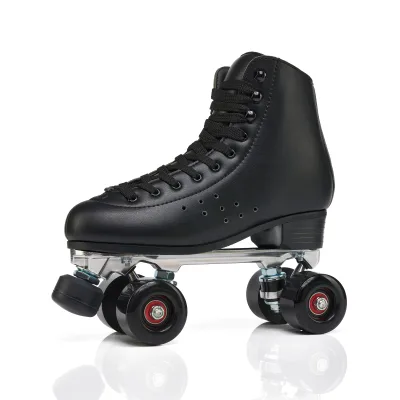
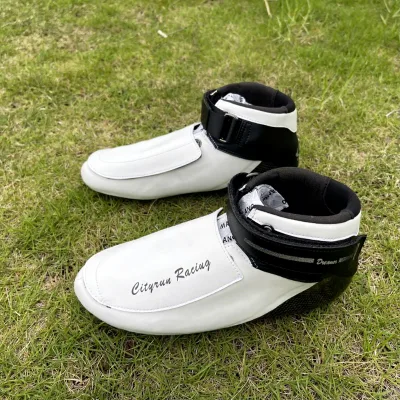
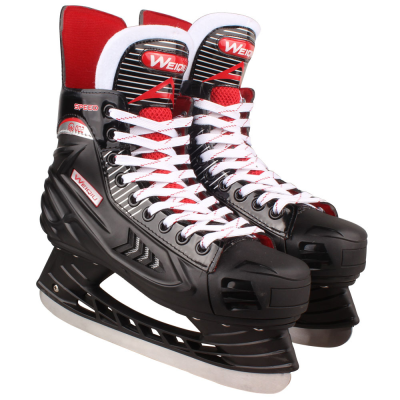
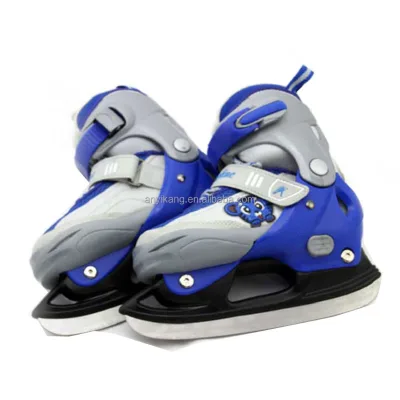
The market for skate roller ice hockey shoes presents a diverse range of options tailored for both professional match play and general outdoor sports. Buyers must distinguish between specialized inline skates designed for high-performance hockey, which often feature integrated aluminium frames and specific wheel sizes like 72, 76, or 80mm, and general-purpose roller skates intended for recreational use. Understanding these distinct categories is the first step in aligning procurement with specific operational needs, as the structural requirements for a professional hockey match differ significantly from those for casual skating or children's training.
Sourcing decisions should also account for the variability in upper materials and lining options observed across listings, ranging from PU and synthetic leather to velvet and cotton fabric blends. These material choices directly impact durability, breathability, and comfort, which are critical factors for athletes spending extended periods on the ice or pavement. Procurement teams must evaluate whether a supplier offers customized options for logos and specifications, as the ability to tailor products to specific team branding or performance requirements often dictates the final selection of a manufacturing partner.
Product Scope and Observed Listing Signals
Buyers analyzing product listings will encounter a wide price spectrum, with observed values ranging from 0.6 to 325 USD, reflecting the disparity between basic recreational models and high-end professional equipment. This variance is often driven by the complexity of the construction, such as the inclusion of carbon steel blades, stainless steel components, or advanced bearing systems like ABEC-7. It is essential to correlate price points with specific features like wheel hardness, which can range from 85A to 90A, and the type of sole material, which may include PE, PVC, or TPR, to ensure the selected product meets the intended performance tier.
The minimum order quantities (MOQ) observed in the market vary significantly, spanning from single items to 1000 pairs, with some specialized models requiring a minimum of 600 pairs. This variation necessitates a clear assessment of inventory capacity and cash flow before engaging with suppliers. Buyers should verify if the supplier supports single-item sales for sampling or if they strictly adhere to bulk orders, as this constraint can influence the feasibility of testing multiple product lines before committing to a large-scale procurement contract.
Technical Specifications to Verify
Technical due diligence must begin with the verification of frame and wheel specifications, as these components define the stability and speed of the skate. Listings indicate the presence of integrated aluminium frames and wheels made from materials such as PU, alloy, or carbon, with specific dimensions like 72, 76, or 80mm being common for performance models. Procurement teams should confirm that the wheel hardness and rebound properties match the intended surface conditions, ensuring that the selected skates provide the necessary grip and durability for either indoor rinks or outdoor pavement.
Insole and outsole construction are equally critical for long-term comfort and safety, with observed materials including EVA, PP, and PE. Buyers must verify that the insole material provides adequate shock absorption and that the outsole material offers sufficient traction and wear resistance. Additionally, the size range, which can extend from EU 35 to 45 or offer adjustable sizing for children, must be validated against the target demographic to ensure a proper fit that prevents injury and enhances athletic performance during intense gameplay.
Compliance and Safety Documentation
Safety compliance is a non-negotiable aspect of sourcing skates, particularly for products marketed for professional hockey matches or children's use. Buyers should request documentation confirming adherence to relevant safety standards, such as EN15638, which governs the structural integrity and safety requirements for roller skates. It is vital to ensure that the supplier can provide valid test reports and certification documents that verify the product meets these specific regulatory benchmarks before it is cleared for sale in the target market.
Beyond general safety standards, procurement teams must verify that all materials used in the construction, including the upper, lining, and blade components, comply with local chemical safety regulations. This includes checking that the PU, leather, and synthetic materials do not contain prohibited substances and that the stainless steel or carbon steel blades meet quality standards for sharpness and durability. Ensuring that the supplier maintains a robust quality management system is essential to mitigate the risk of product recalls or liability issues arising from safety failures.
Cost Drivers and Commercial Terms
The total cost of ownership for skate roller ice hockey shoes is influenced by several factors, including the complexity of the design, the quality of raw materials, and the level of customization required. Products featuring advanced features like flashing wheels, carbon steel bearings, or custom logos often command higher prices due to the additional manufacturing steps and specialized components involved. Buyers should analyze the cost breakdown to understand how much of the price is attributed to material costs versus labor and overhead, ensuring that the final unit price aligns with the expected profit margins.
Commercial terms, including payment conditions and lead times, play a crucial role in the overall procurement strategy. While specific lead times are not universally standardized, buyers should negotiate clear delivery schedules that account for production, quality control, and shipping logistics. It is also important to clarify the packaging requirements, such as the use of color boxes and single package dimensions, as these factors can impact shipping costs and storage efficiency. Establishing a transparent agreement on these terms helps prevent delays and ensures a smooth supply chain operation.
Supplier Qualification and Quality Control
Supplier qualification should focus on verifying the manufacturer's production capacity and their ability to maintain consistent quality across large batches. Buyers must assess whether the supplier has a proven track record in producing skates with specific features like integrated frames and high-rebound wheels, as well as their capacity to handle customized orders for branding and specifications. A thorough evaluation of the supplier's facility, including their quality control processes and testing capabilities, is essential to ensure that every unit meets the agreed-upon standards before shipment.
Quality control measures should be implemented at every stage of the production process, from raw material inspection to final product testing. Buyers should require the supplier to conduct random sampling and functional tests to verify that the skates meet performance criteria such as wheel hardness, bearing smoothness, and structural integrity. Establishing a clear protocol for addressing defects and non-conforming products is critical to maintaining high standards and ensuring that the final delivered goods are free from manufacturing errors that could compromise safety or performance.
Long-Term Procurement Checks
Sustaining a successful procurement relationship requires regular performance reviews and ongoing quality assurance checks to ensure consistency over time. Buyers should establish a schedule for periodic audits and product testing to verify that the supplier continues to meet the agreed-upon specifications and quality standards. This proactive approach helps identify any potential issues early, allowing for timely corrective actions and ensuring that the supply chain remains reliable and efficient throughout the duration of the contract.
Long-term procurement strategies should also include monitoring market trends and technological advancements to ensure that the sourced products remain competitive and relevant. Buyers should maintain open communication with suppliers to stay informed about new materials, designs, and manufacturing techniques that could enhance product performance or reduce costs. By fostering a collaborative relationship and staying ahead of industry developments, procurement teams can secure a steady supply of high-quality skate roller ice hockey shoes that meet the evolving needs of their customers.
FAQs
What certifications do these skates meet?
The skates meet the EN15638 standard and other relevant certifications. This ensures they comply with international safety requirements for inline skates. Buyers can verify specific certification documents provided by the manufacturer to confirm compliance for their target market before placing orders.
Can I customize the logo on the skates?
Yes, customized logos are supported for these roller skates. The manufacturer offers OEM services, allowing buyers to add their brand identity to the product. This customization option helps businesses establish brand recognition in their local markets while maintaining the high-quality construction of the skates.
What is the minimum order quantity for these skates?
The minimum order quantity is 600 pairs for these roller skates. This MOQ applies to standard orders and ensures efficient production runs. Buyers should consider this threshold when planning inventory, as it represents a significant bulk purchase suitable for established retailers or distributors.
Where are these skates manufactured?
These skates are manufactured in Guangdong, China. This region is known for its robust manufacturing infrastructure for sports equipment. Buyers sourcing from this location benefit from established supply chains and experienced production facilities that specialize in creating high-quality roller and ice skates.
What materials are used in the skate construction?
The skates feature PU uppers, EVA insoles, and velvet linings. Some models use synthetic leather and cotton fabric for lining. The wheels are made from high-rebounded 85A PU or alloy materials. These materials ensure durability, comfort, and performance for both indoor and outdoor skating activities.
What sizes are available for these skates?
Sizes range from EU 35 to 45, with adjustable options for children. Specific models offer adjustable sizing like S, M, and L categories. This wide range accommodates various foot sizes, ensuring a proper fit for both adult professionals and growing children who require adjustable inline skates.